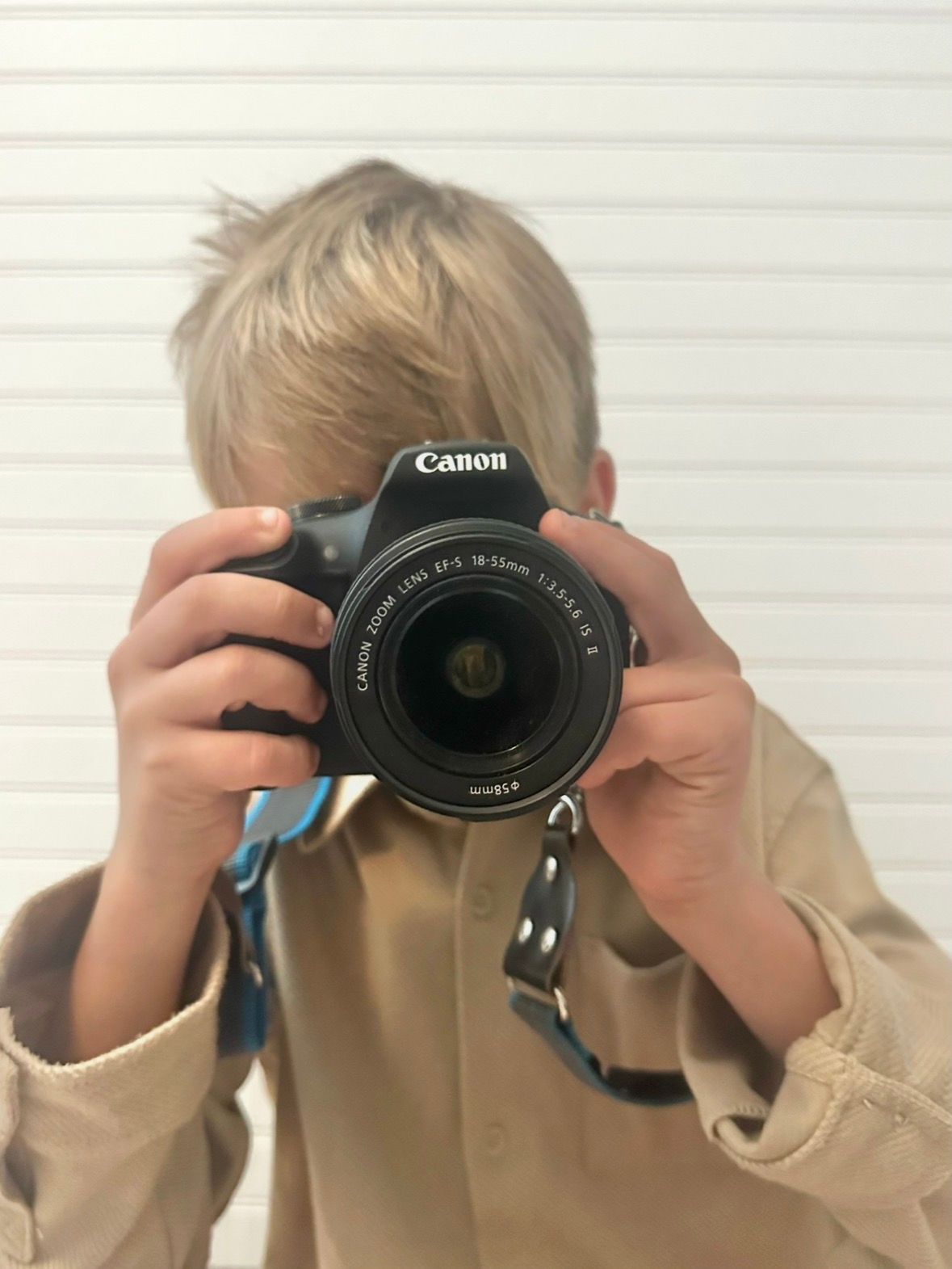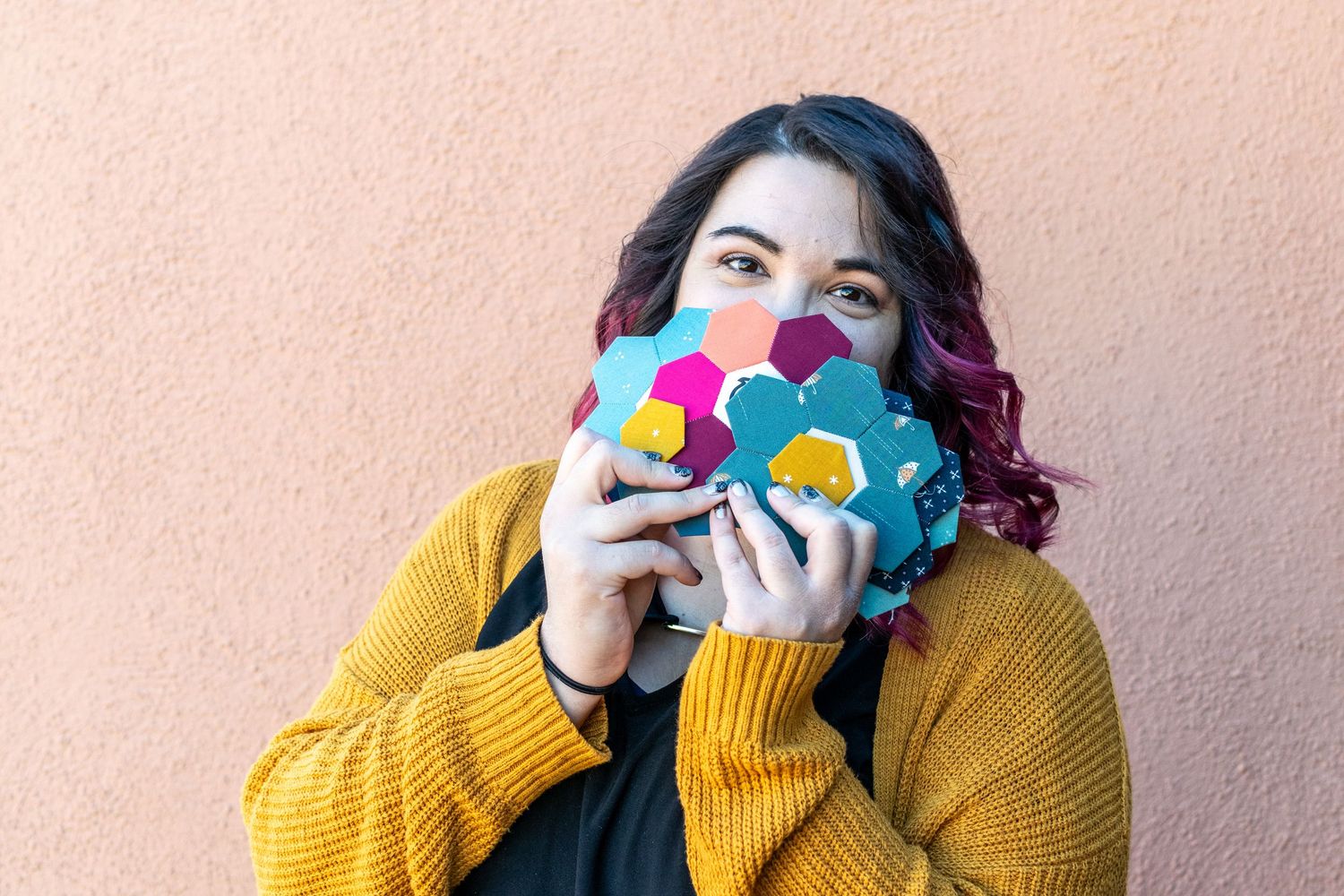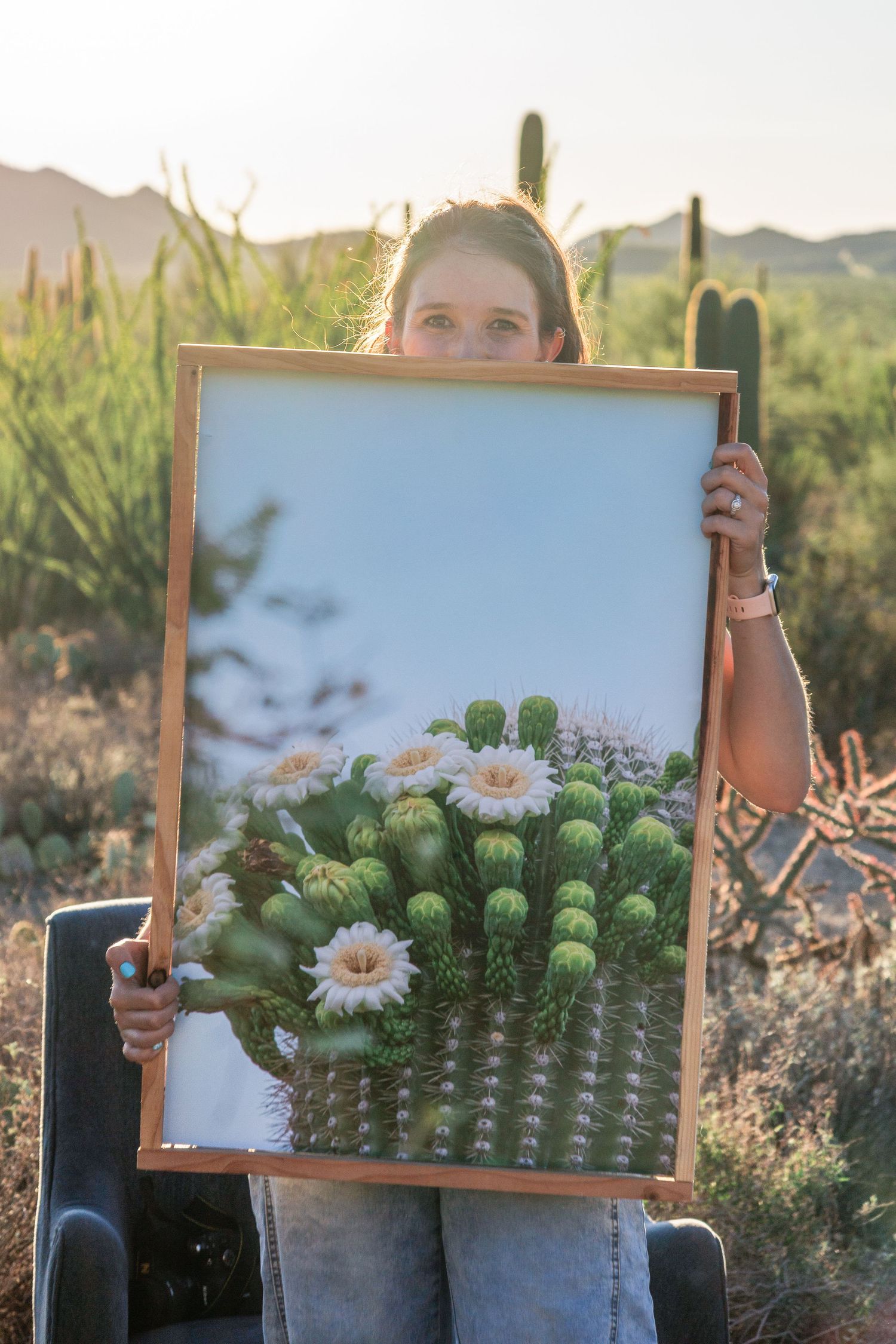
This is what it's all about -
The questions these kids come up with.
"I'm trying to figure out how to get this wall to look bright like the rest of the room," explains Zae.
"How do I make myself look like a blur?!" asks Jordy.
Artie hmms as she dances around a tree to get a direct view of the butterfly perched within before realizing the question, "I need some help. Can you please hold the branch out of the way?"
And the result of those questions? Self confidence grows in their problem solving, teamwork, and creativity as they are encouraged to test out their own answers.
The Very Beginning, A Very Good Place To Start With Questions
I think one of my favorite things about teaching photography is that it doesn't matter if you are left-brained or right-brained, a mathematician or poet, with a camera, you learn to be both. Every part of your brain gets to work together calculating your settings to capture art while exploding with emotions over the successes and failures. And then you do it all again. Not until it's perfect, but just until it feels right. So all those questions these kids are asking are just the beginning. The beginning to the scientific method of figuring out our lighting and settings. The beginning to a story they share in front of the group about the moment they saw something wonderful and the picture that came out totally white and overexposed, but they adjusted and now look at what a cool picture of their room, a butterfly, or their friend they are holding proudly. And that pride, that's the other beginning. The beginning of a whole new level of self-confidence and expression.
This blog is Part One of documenting the lessons and activities I do with my classes and camps.
Lesson plans were purchased from the Kids Photography Course by My Magazine Mama.
What Will Each Lesson Look Like? I'm Glad You Asked.
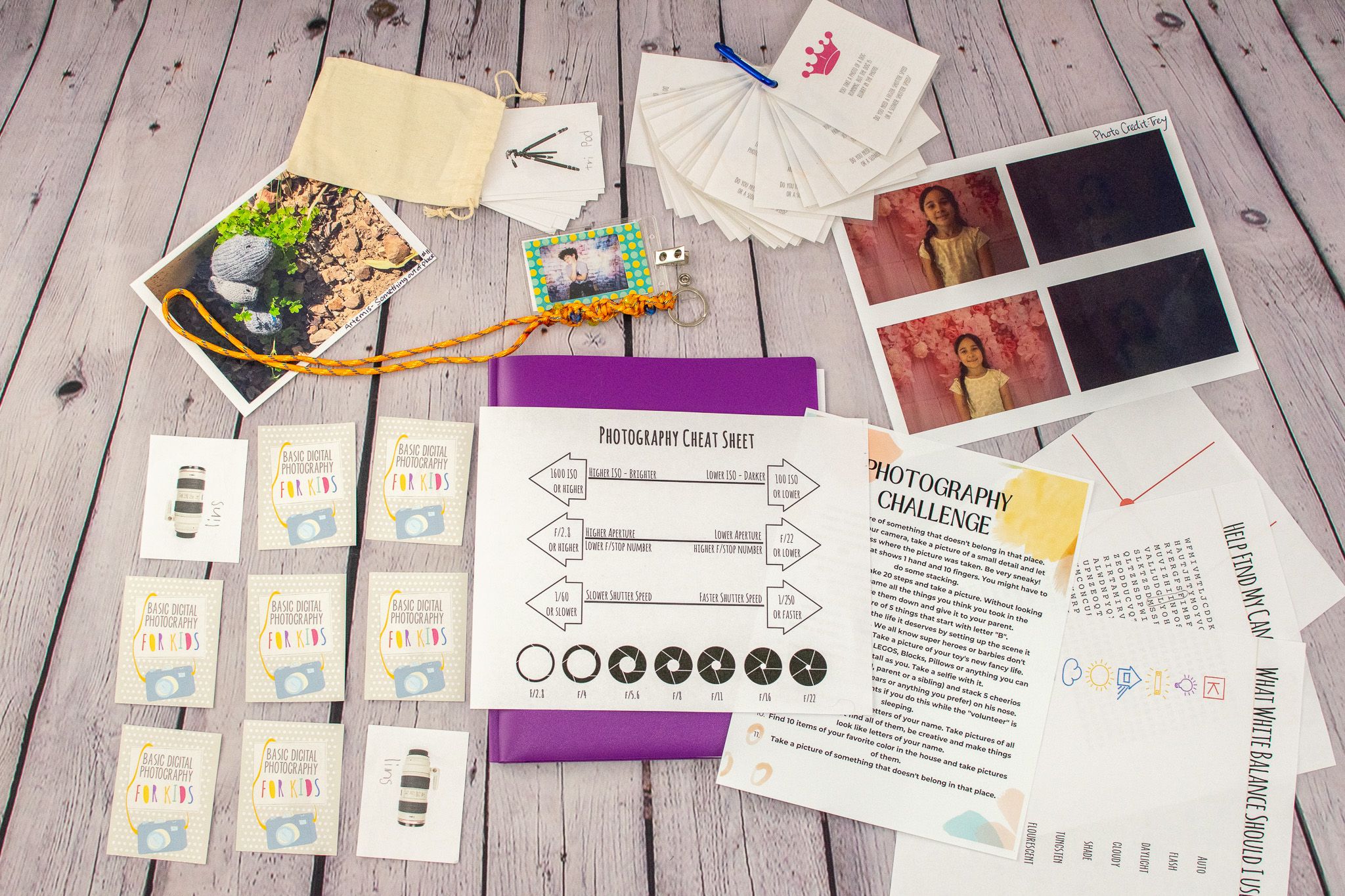
Lesson 1 - Creating The Photographer's Access Pass and Expectations
The only thing I do before putting a camera in their hands in this class is introduce ourselves, and then it's straight to the studio to learn how to handle a camera and take our very first photo of the class on a polaroid.
The students pair up to choose a backdrop and pose each other for their headshots as we talk about how to look through the viewfinder to see everything in the frame before snapping a photo.
Once everyone has gotten a couple turns to improve their pictures and all have a headshot that they like, we decorate our picture and add it into our access pass lanyard.
Why This Lesson Matters?
This lesson sets the tone for the entire course, letting the kids get to know each other and practice giving and receiving kind feedback. The opportunity to work together and use respectful communication to take a picture and then talk with a partner about what could make it better, or just different for the sake of creativity, before trying again is an important skill in this group.
Lesson 2 - The Photographer's Toolkit, Using a Tripod
Now that we've gotten a basic point-and-shoot situation under everyone's belts, it's time to find out why in the world Teacher Kasey has to carry a whole bag around to her sessions, with a very straightforward game called, "What's in My Bag?"
We look at all the lenses, memory cards, cleaning gear, film, filters, and tripods that might come with me when I am taking pictures. While I pull things out of my bag, the kids are given a deck of cards to label which we will come back to use in future lessons.
This time, the tool we chose to experiment with during class was a tripod. Kids took turns snapping handheld photos as their classmates moved around, and then took a picture on the tripod to compare if it made a difference.
Why this lesson matters?
This lesson sets a foundation of problem solving in photography. As we go forward, the students will be encouraged to look around them and recall the tools available that might help them answer issues of adjusting their lighting, focus, and composition in their pictures.
Lesson 3 - Exposure Experiment Extravaganza
Lessons will always incorporate answers to questions that have been asked. Like in Lesson 2 when Zae brought her show-and-tell photo accomplishing the challenge of a picture with ten things in her favorite color, she explained that she didn't know why one wall in the photo appeared so much darker than in real life or how to change it. You can bet we're going to look into tools to use in that scenario while we talk about exposure.
Kids will visually examine the mechanical shifts in the lens as the aperture is adjusted higher and lower. We will learn where the buttons to adjust ISO are and experiment with when to use them. And we'll see how the speed of the shutter captures pictures too! Overall, we'll compare in what ways the lens of a camera is similar to our own eyes.
The kids will be challenged to take 5-10 headshots of each other again, with the DSLRs this time, making adjustments after each shot to see what difference their adjustments make. As someone who has been taking pictures for a while now, this is still the drill I do whenever I go scout a new location!
Why this lesson matters?
This lesson is all about communication. The students get their first chance to share a show-and-tell of a picture they took at home. Later in the studio we work on narrative thinking, working in teams to talk through what turned out good or bad in a picture and what change we're going to try to make and whether it works the way we thought it would. We get lots of feedback and bouncing ideas together in this lesson.
Lesson 4 - Extra Exposure Experiment Extravaganza
Learning about exposure in the camera requires extra exposure!
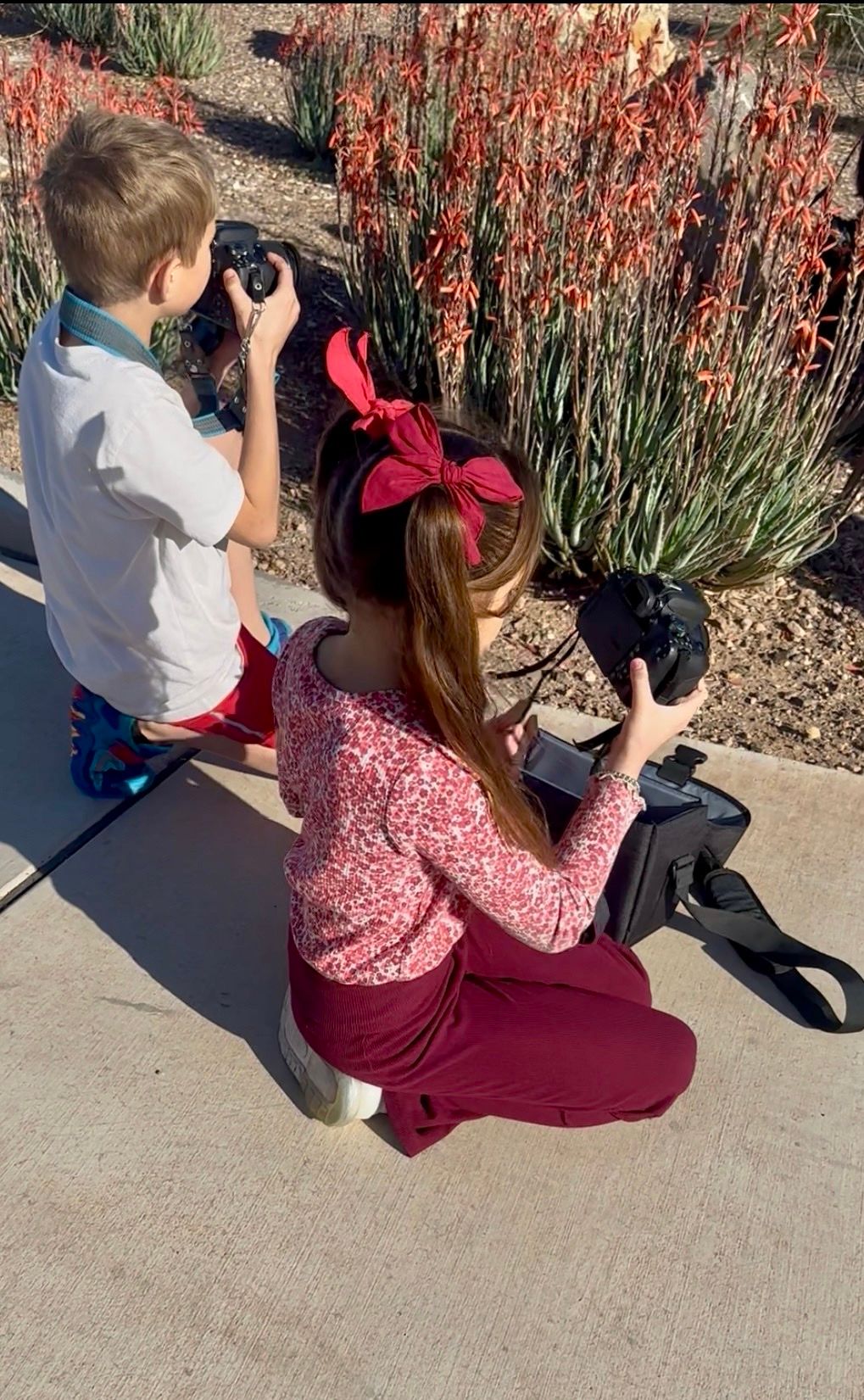
After reviewing together how all of them solved the problems of lighting and focus on their contained headshot session, I quiz them again on how to adjust for different factors to get the best exposure. Then its time for a little field trip to the park!
Giving them free reign of a space like this to frame their own creativity is such a fun way to boost their confidence in so many ways. I remind them every time how proud I am of them because just letting them carry some of these cameras around at all is such a huge show of our trust in their level of responsibility as some students come occasionally with their parent's fancy cameras. And then to see them be able to get the picture of the bee or butterfly or cactus spine or even to create an entire scene is so much fun.
Why this lesson matters?
We've worked together to really talk it through as we take pictures, and now we get to dive into more free and individual experimentation and the scientific method: we're going to take a picture, observe it, make a hypothesis about how to make the changes we wanted, and try again.
Why Photography is Powerful for Kids
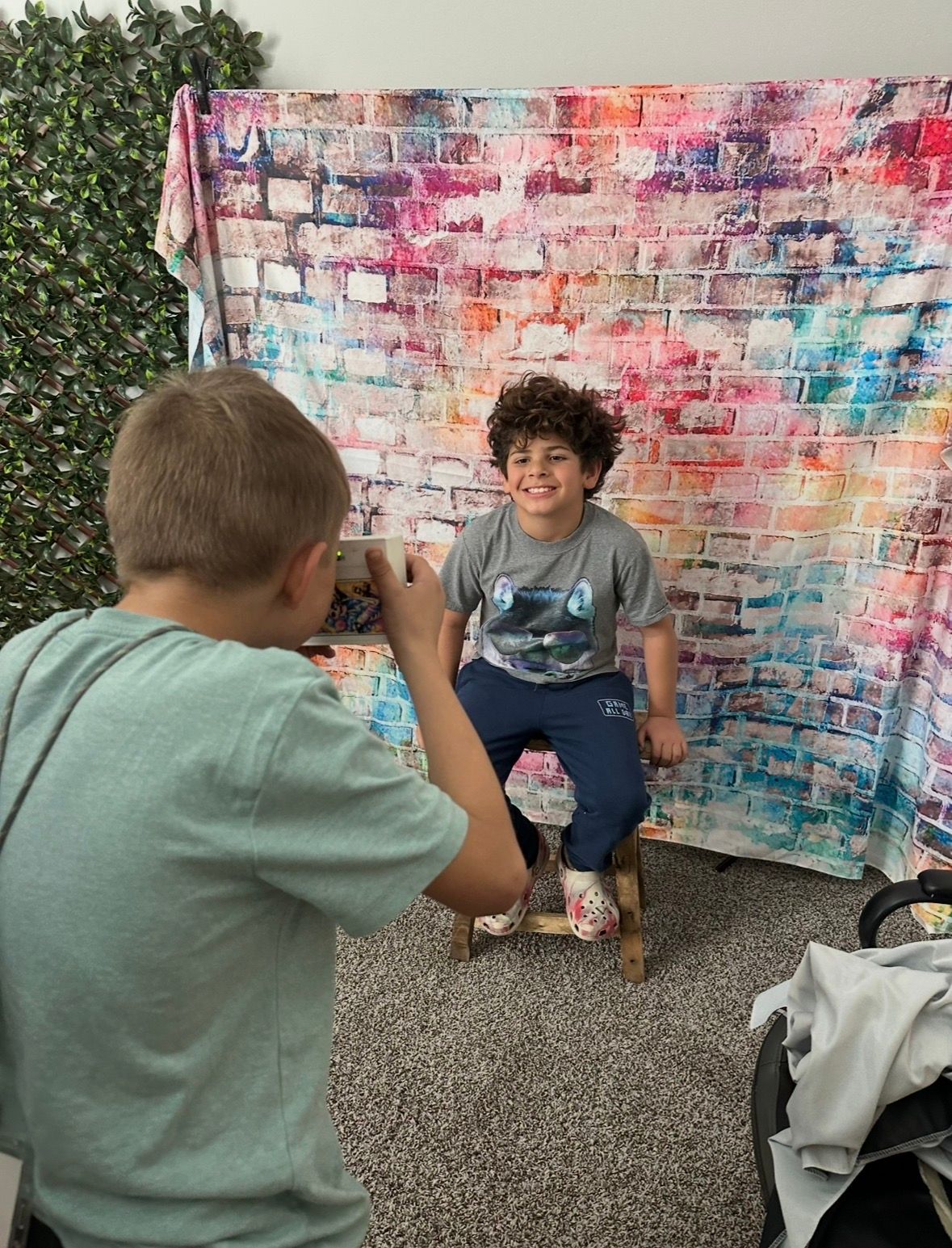
Creative Skills
When kids get to experiment without a fear of failure, their creative thinking and artistic expressions naturally bloom!
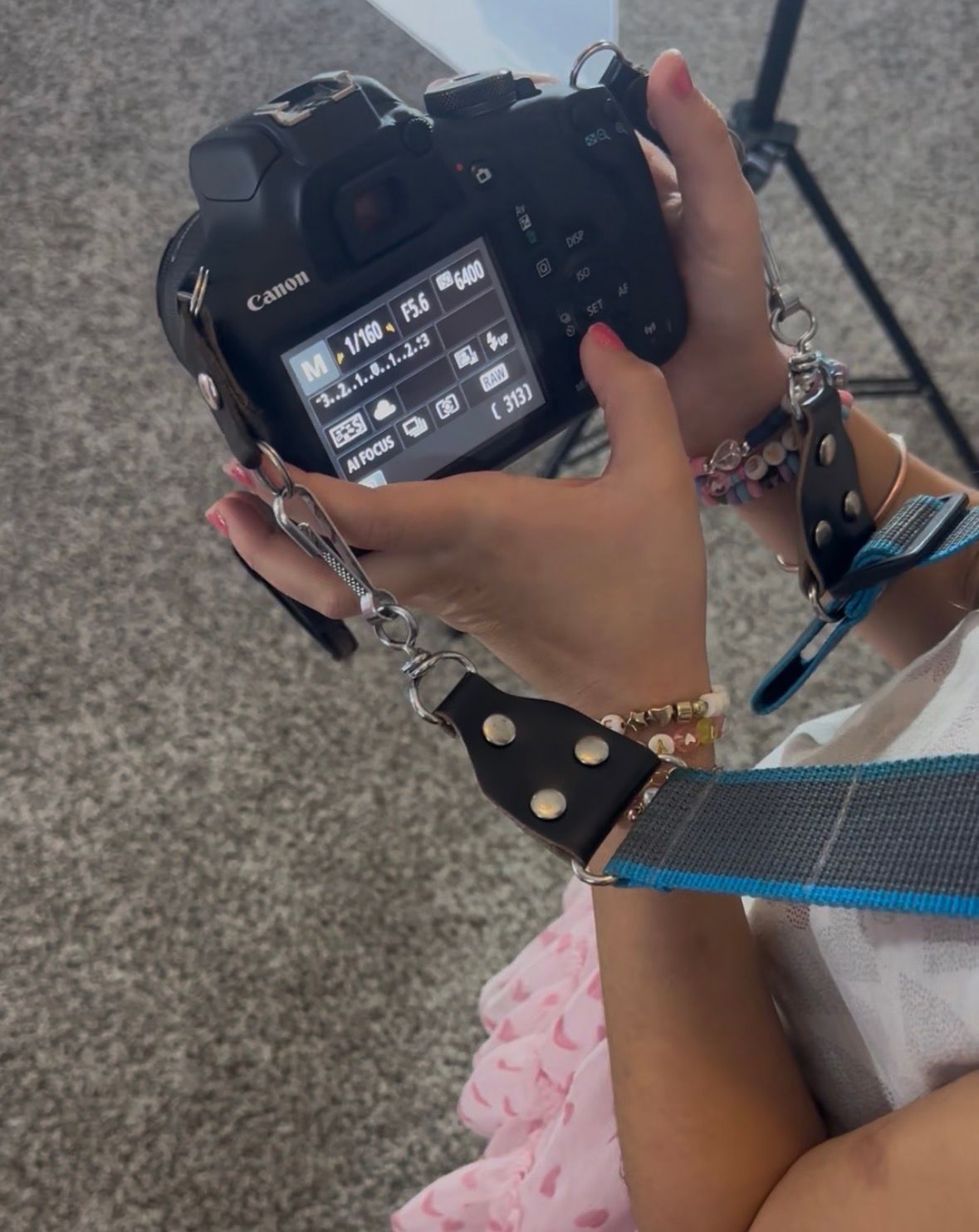
Critical Thinking
As we complete cause and effect challenges, seeing what happens when we adjust one setting at a time, they become more and more aware of the shadow, light and details in their surroundings and begin to make more intentional decisions.
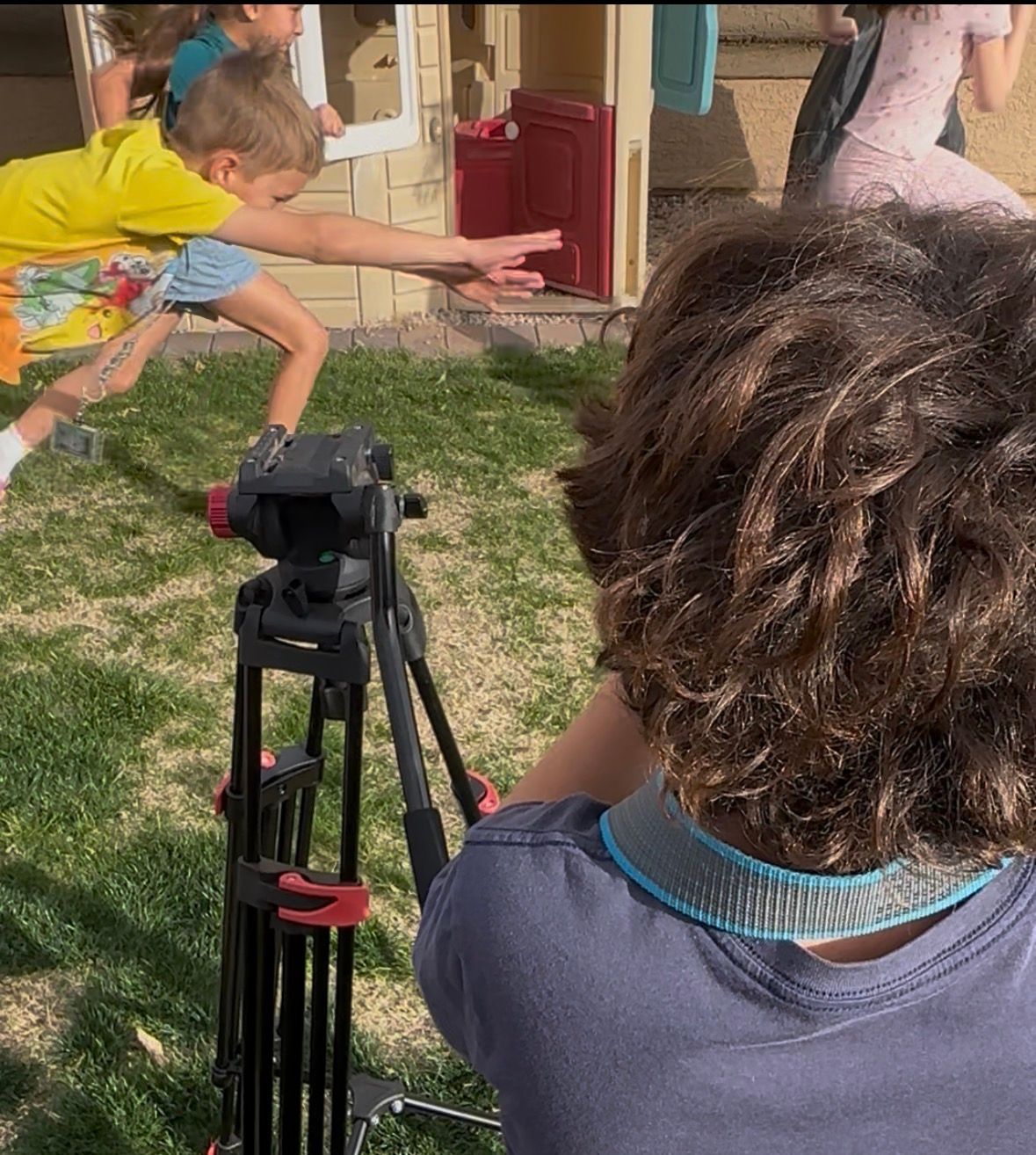
Social Skills
Collaborating with peers is such a complex skills, but in this class the kids do it with love and kindness as they support each other in public speaking and sharing ideas both visually and verbally.
Skills Beyond Photography
Cameras allow us to literally see the world with a new perspective, to get outside and hear stories of new people. Our brain becomes wired to look for things worth capturing, and resilience grows as we never quit on a bad picture.
Can't forget the basic details.
Who?
Ages 8-12 with little to no experience.
There are only 4 spots per session.
Where?
Located in my home in Marana, Arizona. Message me about parent supervision questions!
When?
Classes and camps will vary throughout the year. Please consider joining my monthly newsletter to get updates to be the first to know.
WHY?
Kids will gain teamwork, public speaking skills, creativity, attention to detail, and a boost of confidence that goes beyond the camera.