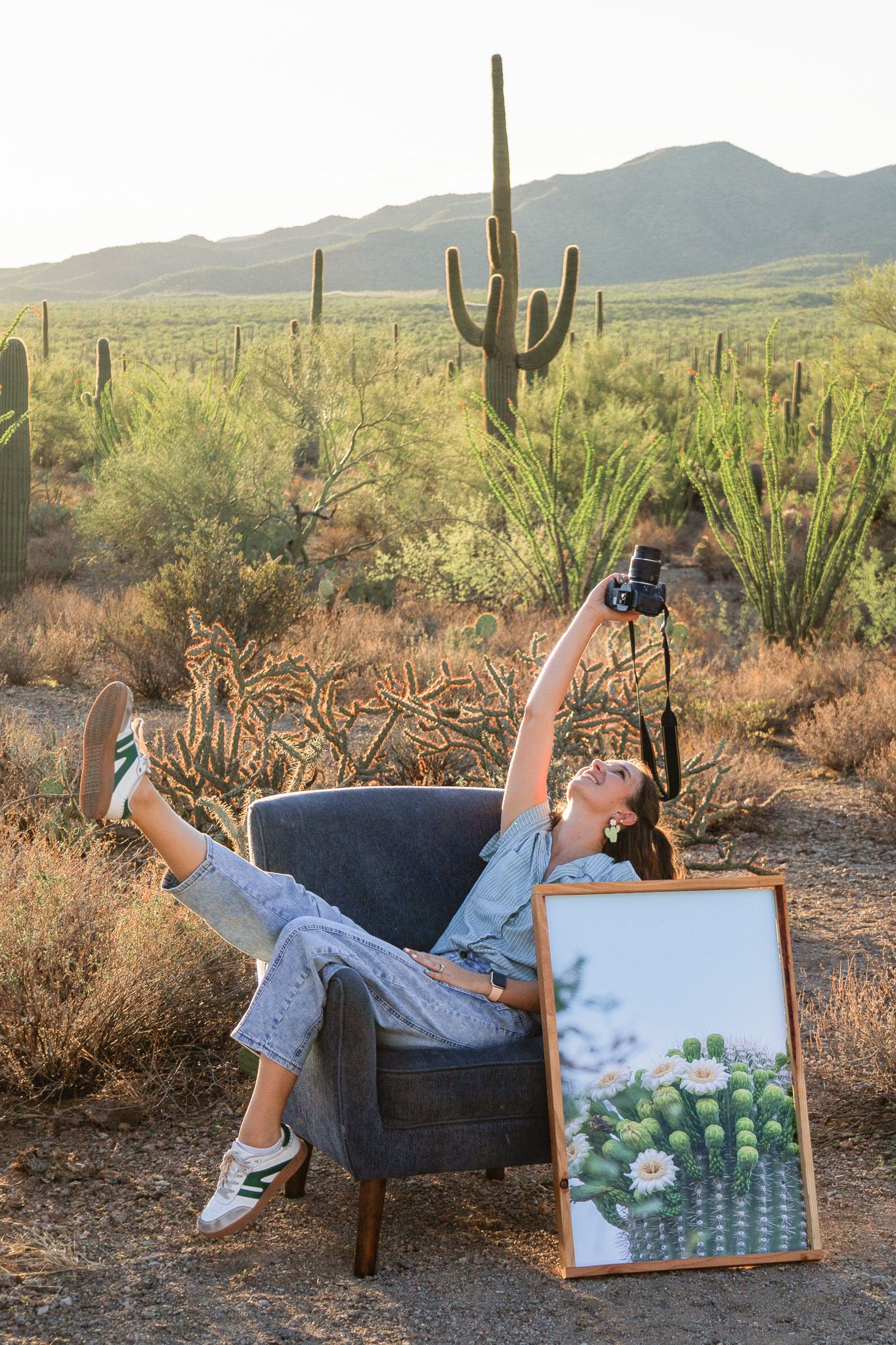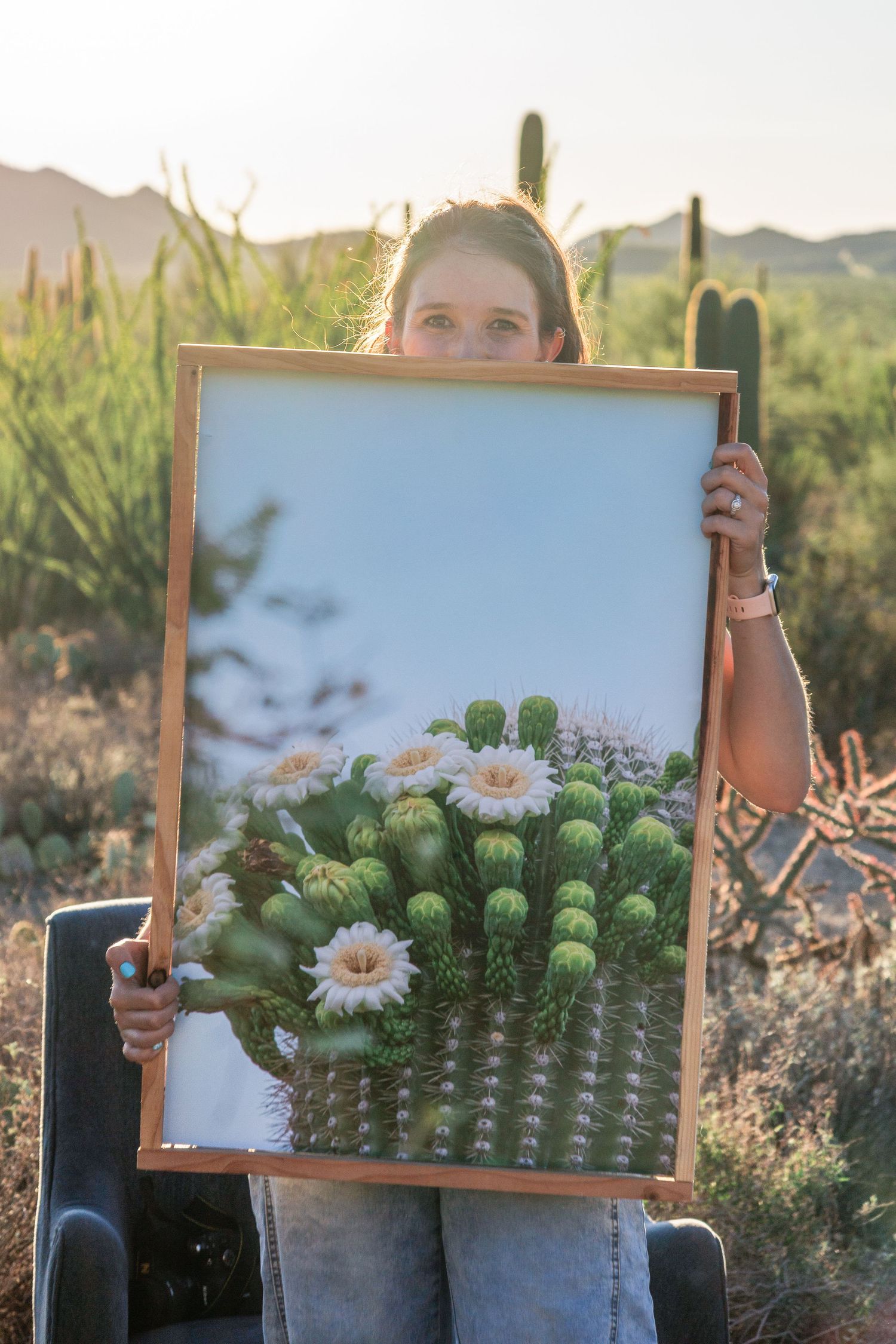
I'm discontinuing custom frames, but don't panic.
Because I'm going to show you just how easy they are to make yourself!
There's no big elephant in the room. Why am I not making them? The best kind of problem came up - I am just too busy with sessions and want to give myself more time for the photography.
I have a handful of medium to small tiles and frames left over from my last market to sell, and you can still order the digital downloads from my landscape gallery to send for prints and frame yourself. I'll tell you exactly how to do it all in this post.
As a photographer, building these frames was the perfect way to start making money to upgrade my camera equipment even as a total greenie. I was able to sell them at markets, which naturally led to meeting so many people giving me a chance to take pictures of them. And as someone with a home with naked walls, framing my own pictures has been the best way to decorate. I imagine you are here in one of those categories too, so let's jump in! And don't forget to check out what's available for sell at the end of this post!
Let's Build!
Materials You'll Need
- Eye Protection!
- Saw
- up to 8'x1"x2"
- 2'Wx4'Lx1/2"D (the 1/2" depth is important for the hanging kit nails)
- Sander and sand paper
- Nitryl, Vinyl, or Latex Gloves
- Microfiber rag(s)
- Staining Brush or rag
- Wood conditioner
- Wood Stain (or paint)
- Wood Wax
- Wood Glue
- Photo-safe Adhesive
- Scraper, smoothing tool, or credit card
- Brad Nails and Gun
- Clamps
- Rotary Knife or other craft knife
- Hanging kit
- Drill (the bits you need will be covered based on which type of hanging kit you choose)
Step 1. Cut the Backboard
If you're cutting down a really large board, this first step might happen inside the store before you even leave Lowe's or Home Depot. My saw only reaches 12" max, so if you're like me, you'll want to stop an associate at the store and ask for someone to come to wood cutting to cut down that 2'x4' board for you. They'll usually make two or three cuts no problem for you, but may charge if you decide you need more cuts than that.
NOTE: I always cut my large backboards 1/2" smaller than the print that will be glued to it. So a 20"x30" print will go onto a 19.5"x29.5" backboard. This gives me wiggle room later when the print is applied and I can just trim off the excess rather than risking the print ripping and ruining the glue while trying to get the print perfectly lined up. Prints smaller than 8x10 I take less than 1/4" off the size, staying as close to accurate as possible because I tend to line them up more easily on the first try.
Step 2. Measure and Cut the Frame
Now its time for that saw and your 1"x2" frame pieces. I know this seems redundant, but never assume you made a perfect cut on your backboard. I remeasure every side as I go and make sure they're even. Decide which sides (top and bottom, or left and right) you want to have match up exactly with your backboard, and which ones will extend beyond to connect the frame. I usually choose for the left and right pieces to carry the weight of the frame. This means that a 20x30 portrait frame will have the following cuts for the frame:
Top and Bottom: 19.5"
Left and right: 31.5" (adding 2 inches to line up with the frame border outside the backboard.)
Step 3. Sand and Check the Fit
Everything is cut, so now you need to sand it all down super smooth and make sure it all fits together nice and snug. Wipe it down really well so that no saw dust or fiber is left on the wood.
Step 4. Condition, Stain, Wax, Repeat!
This is probably my favorite, most calming step of the entire process, but I'll leave these instructions up to the labels on your products. Make sure you read them all the way through before you begin and WEAR GLOVES! I love the first peek of the color change on the wood! I think the important thing here is making sure you move with the grain and wipe off any excess stain before leaving it to dry. Happy staining!
Step 5. Glue and Trim the Print to Your Backboard
It's actually really good that the most relaxing bit just happened because now your mind is clear and focused for what is, to me, the trickiest part - applying the adhesive and getting the print smoothly onto the backboard. The most important thing here is to make sure there are no hairs or dust again on either the board OR the print before you apply the glue. The larger your print, the more liberally you should apply your adhesive, adhering to the instructions on your chosen product. I tend to keep my large prints rolled up, line up just the one end, and then use my scraper of choice to gently rub air bubbles out as I push the print to unroll across the backboard. I have had incidents where the slightest breeze through the window (because you should have fresh air when using the adhesives too) blew my hair into the adhesive, or -the most startling- a whole BUG flew onto the back of the print as I was unrolling. I noticed just in time and shooed it away. So just be watching the print the whole way down.
NOTE: I like to wrap my scraper in a microfiber cloth so that I don't scratch the print at all. Or just use my hand and a microfiber cloth so my nails don't scratch it or leave finger prints.
Step 6. Glue, Clamp, and Nail the Frame
More glue! But this time, wood glue. Now that hours or days have passed and your stained pieces are dry, its time to glue the whole thing together and clamp it to set for at least 30 minutes. Once the wood glue is all set, you are ready to add in your brad nails. Adhering the print to the board is tricky in that it requires attention to detail, but brad nails are an actual crapshoot, so I only put them in the corners and no more than are necessary. Remember to shoot straight and down the middle.
Step 7. The Hanging Kit
I generally use two types of hanging kits, and I wish I were sponsored to say this, but the PicGenie123 is hands down my favorite foolproof way to hang pictures.
All you need is a drill to put the kits onto the backboard, and I honestly just eyeball where they get placed.
I love that no matter where you hang the brackets, they have small points on them to perfectly mark themselves on the wall for you so that you never have a crooked frame or need to wonder where the nail goes. Just level your frame and gently press it into the wall to leave two perfect impressions for where your nails will go. The markers then pop off and you have yourself a regular bracket to hang on the nail.
Digital Downloads
Ready to make your first frame?! Check out my gallery for a colorful desert picture.
When you purchase a download from my gallery, you're going to get a happy dance from me and a beautiful image that you can keep forever to print over and over. These pictures make great home warming gifts to print for your friends, as well as greeting or post cards! If you'd like to purchase them for commercial use, please contact me directly as these cannot be resold or used in any way to make money without my consent.
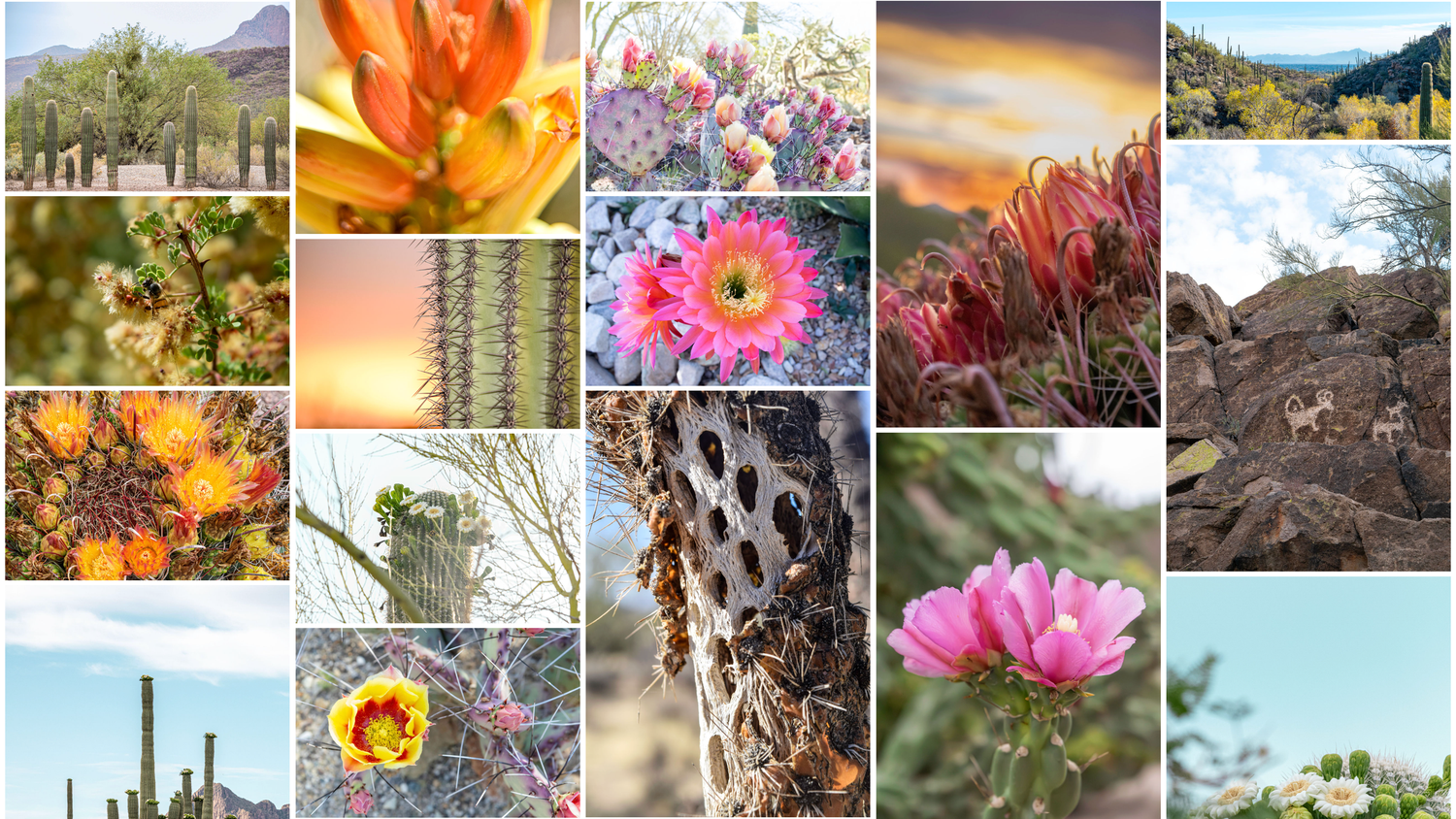
Click The Image To View Landscape Gallery
Current Frames and Decor
As I've sold frames, I've experimented with wood tiles that make for great mosaic walls, magnetic hanging kits, and mounting the prints on boards with no frame for a variety of styles. I keep thinking about painting the frames, or integrating gold/brass leaf into them somehow. What do you think I should do next?
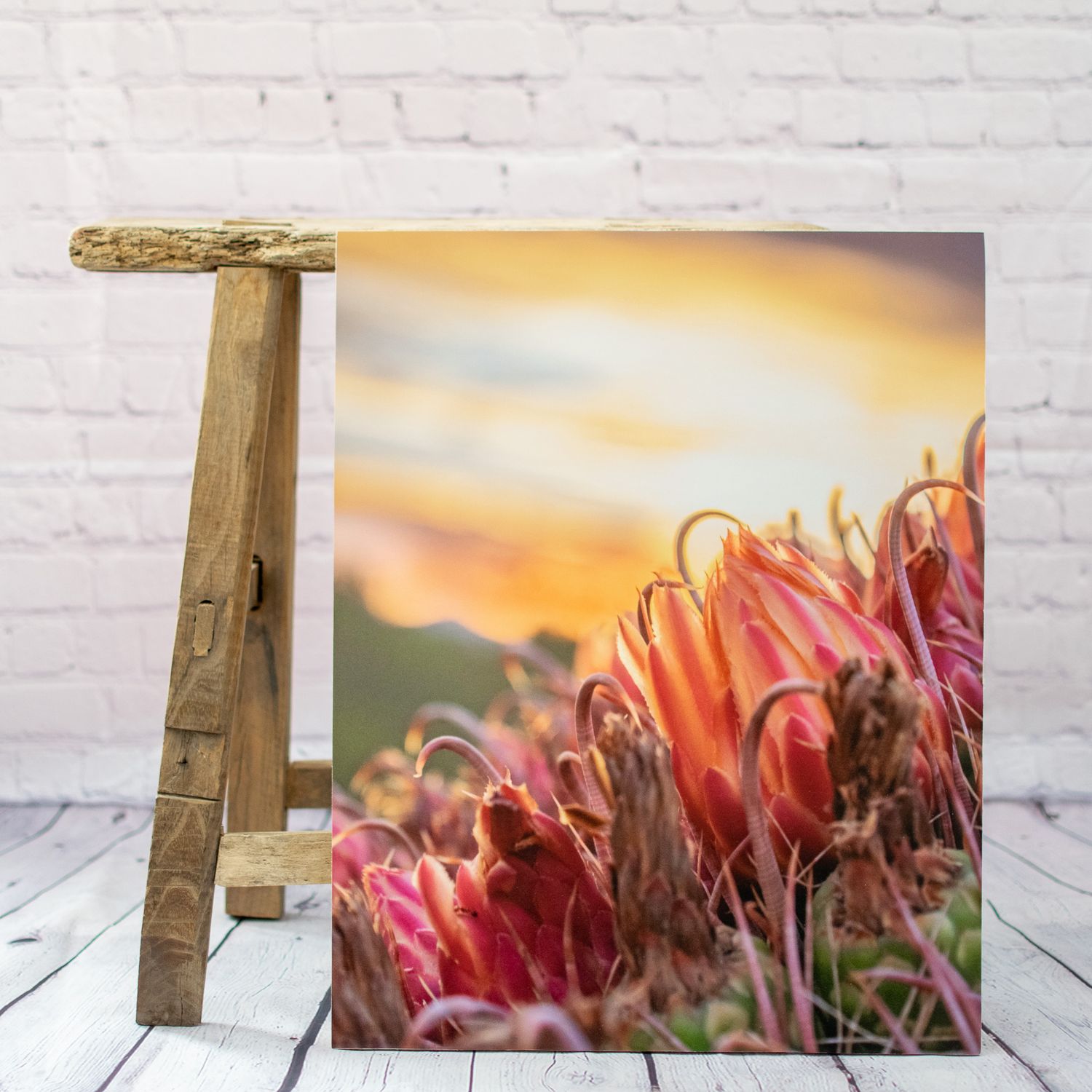
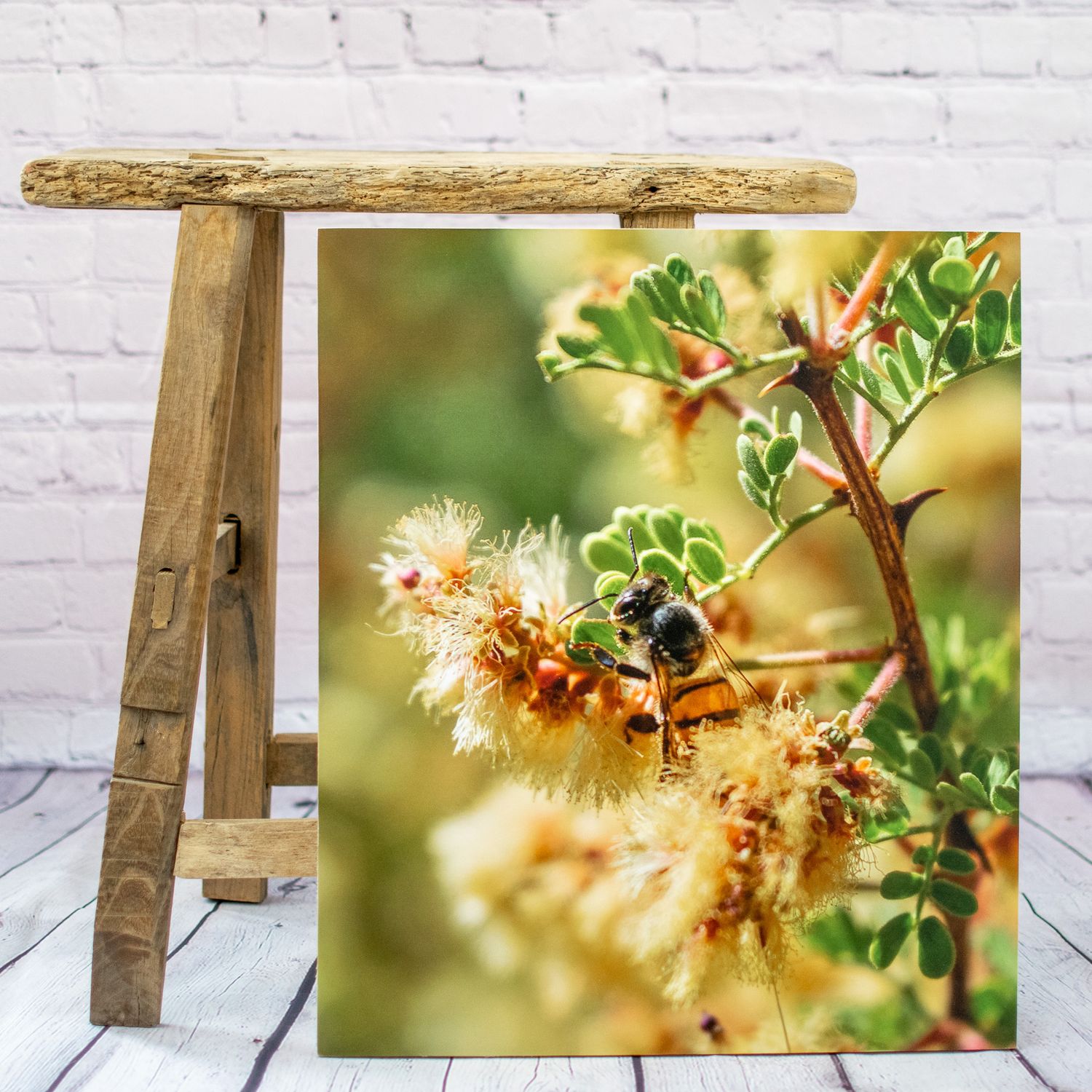
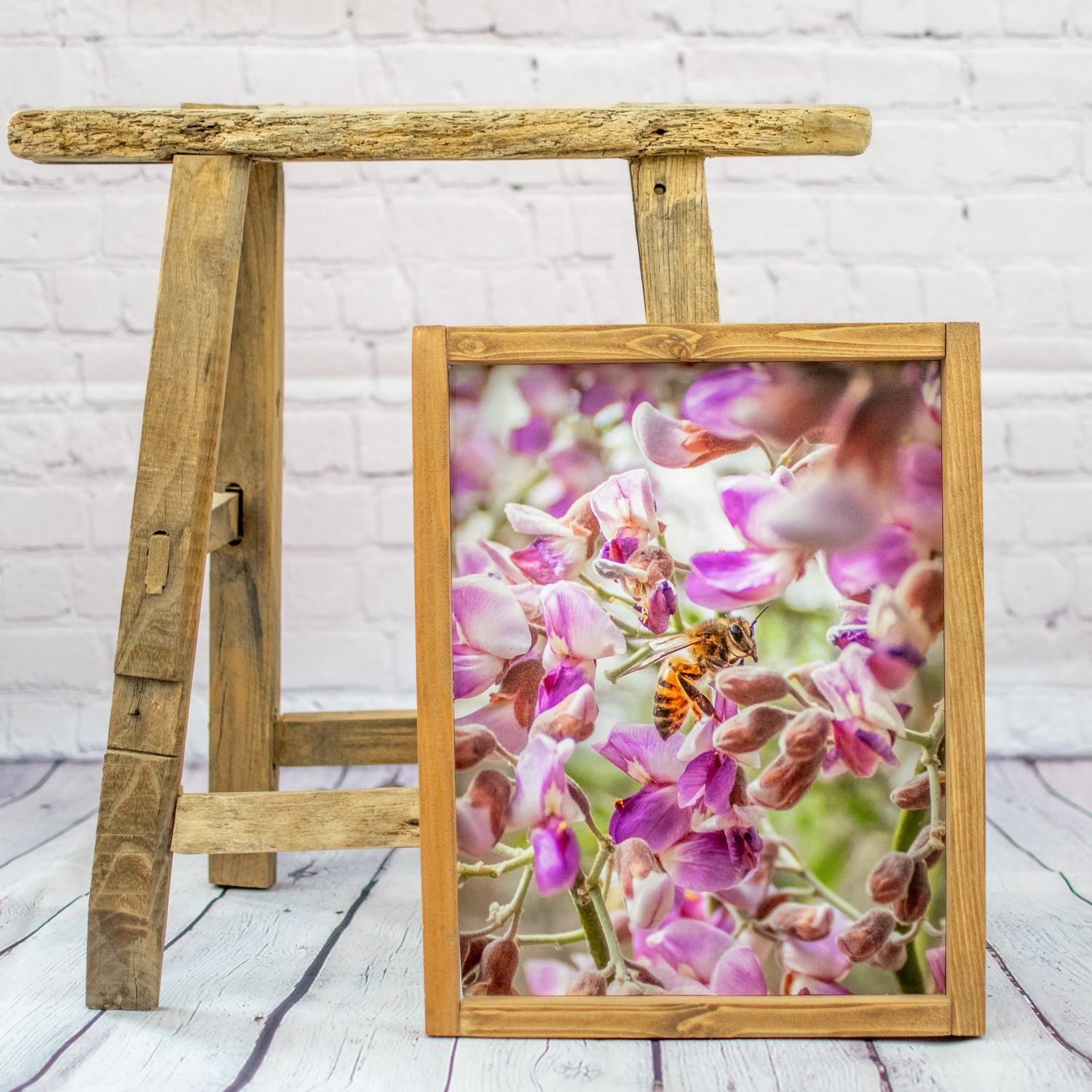
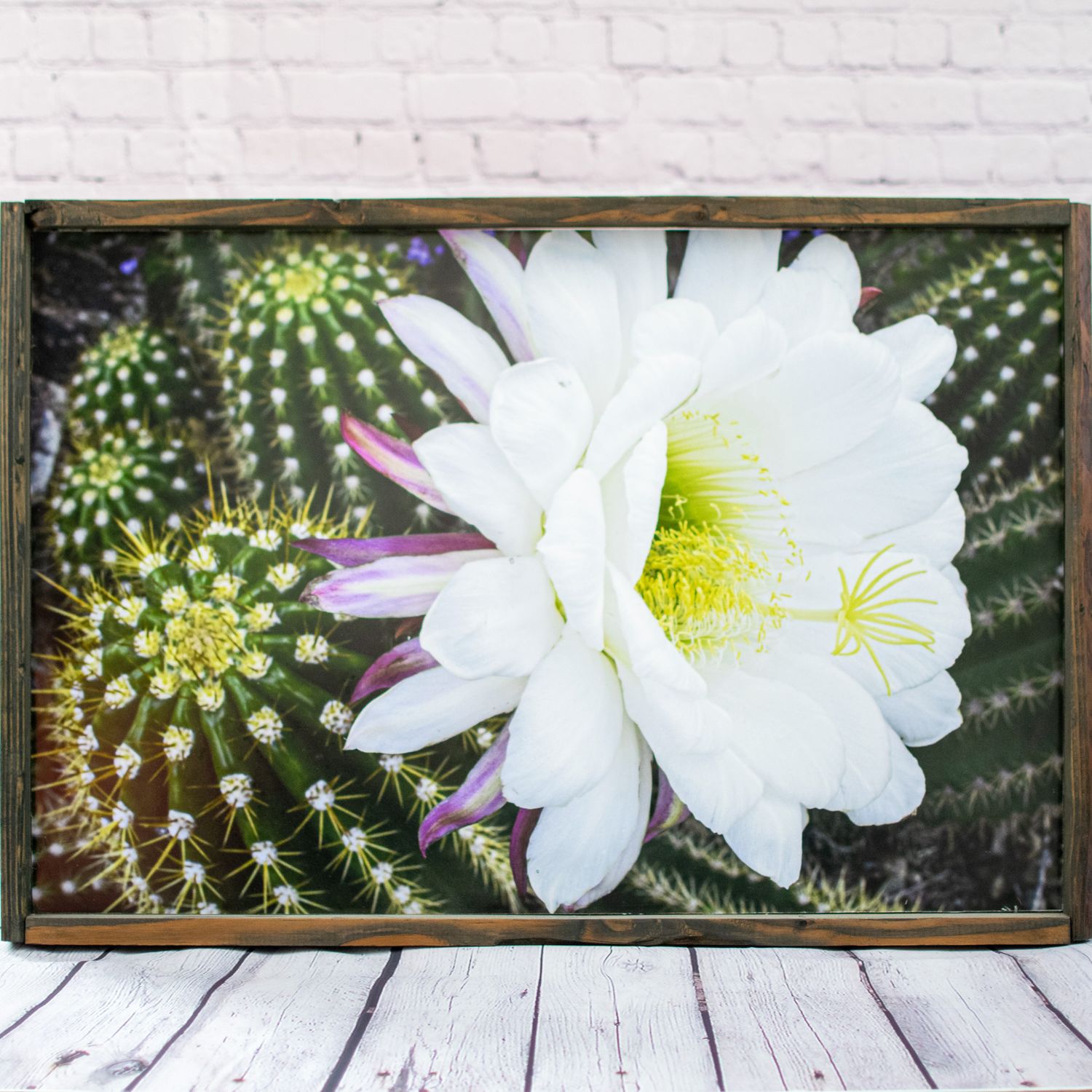
Click Any Image To Purchase and See What's Still Available